The short answer
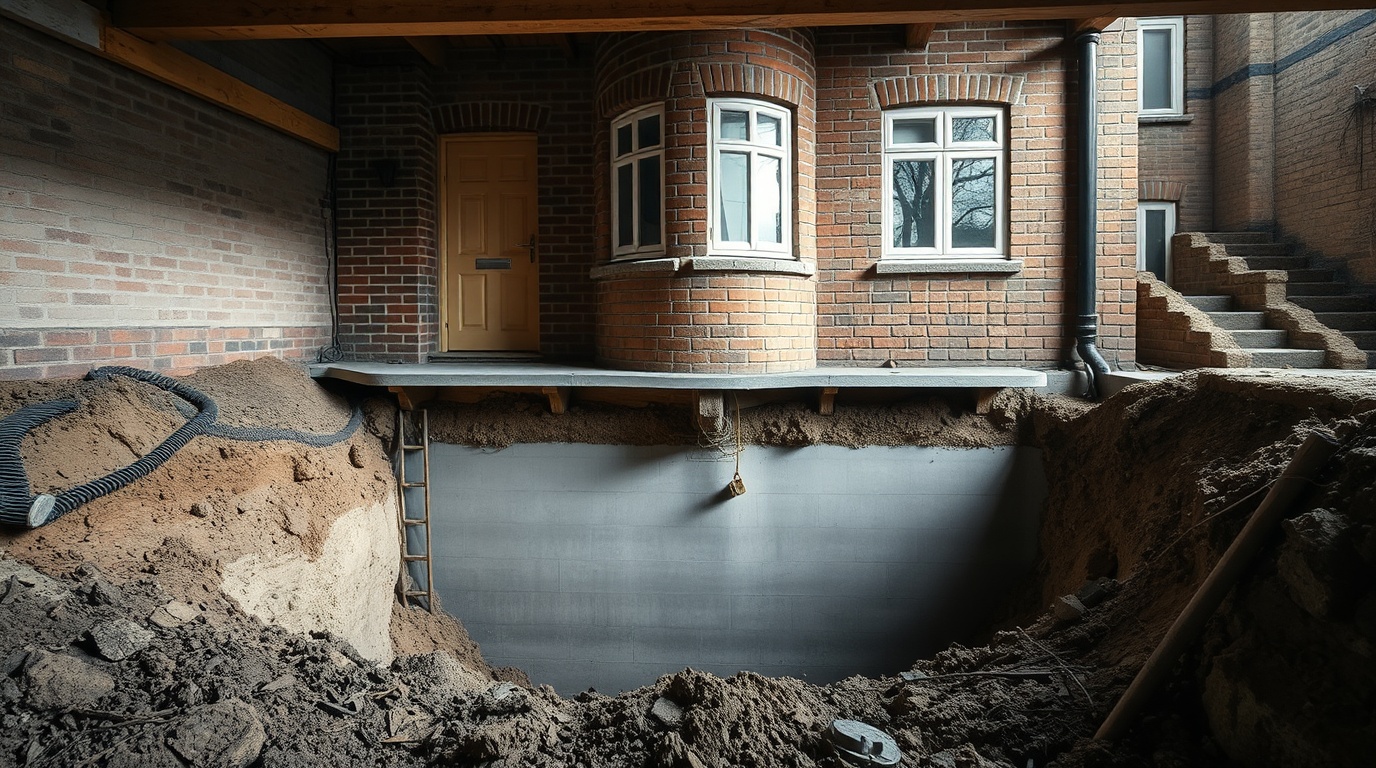
Standard UK buildings insurance usually covers underpinning where it is needed to repair damage caused by subsidence, heave or landslip — these are named perils in almost every home policy. The cover sits in the buildings part of the policy, not contents, and pays for investigation, the agreed repair scheme and reinstatement of the damaged structure. A subsidence excess of typically £1,000 applies, which is higher than the standard claim excess. Insurers do not simply pay to underpin a whole house on request: they fund the least-cost lasting repair a structural engineer specifies, which is often crack-stitching, drain repair or removing a problem tree rather than full underpinning. Pre-existing damage, gradual settlement of a new build, and poor maintenance are commonly excluded, so what is covered depends on the cause and the policy wording.
Buildings insurance is designed to cover sudden, identifiable damage rather than wear and tear, and subsidence sits awkwardly between the two. The sections below explain what the cover includes, the excess that applies, and where claims are reduced or refused.
Cover at a glance
- Where cover sitsBuildings insurance
- Named perilsSubsidence, heave, landslip
- Typical subsidence excessAround £1,000
- What is fundedLeast-cost lasting repair
- Often excludedNew-build settlement, pre-existing damage
What the subsidence cover actually pays for
When you report subsidence, your insurer takes on the cost of investigating the cause and putting right the resulting damage. In practice the cover funds a sequence rather than a single bill: a site investigation (often trial pits, drainage surveys and a monitoring period), the structural engineer's recommended repair scheme, and reinstatement of cracked walls, finishes and any disturbed services. Underpinning is only part of that picture, and only where the engineer concludes the foundations genuinely need strengthening.
- Investigation: soil tests, drain CCTV surveys and crack monitoring to confirm the cause.
- Stabilisation: removing the cause (for example a thirsty tree or a leaking drain) and, where needed, underpinning or other foundation works.
- Reinstatement: repairing cracks, redecorating affected rooms and reinstating anything removed for access.
It is worth understanding that subsidence, heave and landslip are written into the buildings section as named perils precisely because they are sudden, identifiable events rather than gradual wear. The word the industry uses is the Association of British Insurers' working definition: subsidence is the downward movement of the ground beneath the foundations, usually caused by clay shrinkage in dry weather, leaking drains washing soil away, or tree roots drawing moisture from the ground. Where the cause fits that description, the claim is normally within cover. Where the cracking is the building gradually bedding under its own weight, it is settlement, which most policies exclude. The investigation exists mainly to establish which of the two you are dealing with, because that single question decides whether the policy pays at all.
Why insurers investigate before paying
Homeowners are sometimes frustrated that an insurer will not simply agree to underpinning when cracks appear. The reason is that underpinning is one of the most expensive structural repairs a home can need, and in a large share of cases it turns out to be unnecessary. A leaking drain repaired and a thirsty tree pruned or removed will often allow the ground to recover on its own, so the engineer's job is to find the genuine cause and the lightest repair that fixes it for good. That is why a typical subsidence claim runs through investigation, then a monitoring period, and only then to a repair decision.
This staged approach also protects you. If the insurer funded underpinning straight away and the real problem was a drain, you would have a disturbed building and the underlying fault would remain. By investigating first, the insurer is more likely to remove the actual cause, which is both cheaper for them and more durable for you. The trade-off is time — the process can run for a year — but the outcome is usually a repair that is matched to the evidence rather than guessed at.
The excess and what is excluded
Subsidence claims carry a separate, higher excess than ordinary claims — commonly around £1,000, and sometimes more on properties with a history of movement. That is the first portion of the cost you pay before the insurer contributes. Beyond the excess, several situations commonly fall outside cover, so it is worth reading the policy's subsidence clause closely.
| Situation | Typically covered? | Why |
|---|---|---|
| Subsidence from clay shrinkage / trees | Usually yes | Recognised insured peril |
| Damage from a leaking drain | Usually yes | Treated as subsidence cause |
| Settlement of a new-build | Often no | Expected bedding-in, not subsidence |
| Pre-existing or undisclosed cracking | Often no | Damage predates the policy |
| Coastal erosion / land slip excluded by wording | Varies | Depends on policy definitions |
Indicative position for guidance only. Always read your own policy wording. Sources: ABI subsidence guidance, Citizens Advice.
When underpinning specifically gets funded
Underpinning is a significant intervention, so insurers and their loss adjusters generally treat it as a last resort. It tends to be funded only after a monitoring period (often several months to a year) confirms that movement is continuing and that removing the cause alone will not stabilise the building. If monitoring shows the ground has settled and movement has stopped, the insurer is far more likely to fund cosmetic repairs than full underpinning. Once any structural works are complete, the insurer's engineer should issue a Certificate of Structural Adequacy, which you will need when you later sell the property or arrange future cover.
Disclosure and keeping cover valid
Whether underpinning is covered also depends on what you told the insurer when you took out or renewed the policy. Under the Consumer Insurance (Disclosure and Representations) Act 2012, you must answer the insurer's questions honestly and take reasonable care not to give a misleading impression. If a property has previously shown signs of movement, been monitored, or had related work, and you fail to mention it when asked, the insurer can reduce or refuse a later claim. The duty is to answer the questions put to you accurately, rather than to volunteer everything, but a known history of subsidence is exactly the kind of fact insurers ask about.
Two practical points follow. First, keep any documents about past movement or repairs, because you may need to disclose and evidence them. Second, report new signs of subsidence — diagonal cracks wider than around 3mm, doors and windows sticking, or rippling wallpaper — promptly rather than waiting to see if they worsen. Cover responds best to sudden, recent damage that is reported early, and delay can both worsen the damage and weaken your claim. Treating buildings insurance as a live relationship, with honest answers and prompt reporting, is what keeps the underpinning cover meaningful if you ever need it.
Frequently asked questions
Does buildings or contents insurance cover underpinning?
Underpinning falls under the buildings section of a home insurance policy, because it relates to the structure of the property. Contents insurance only covers your belongings and would not pay toward foundation repairs.
Will the insurer pay to underpin the whole house?
Not automatically. Insurers fund the least-cost lasting repair a structural engineer specifies, which is often crack repair, drain works or tree removal. Full underpinning is only funded where monitoring shows it is genuinely necessary.
What is the excess on an underpinning claim?
Subsidence claims carry a higher excess than standard claims, typically around £1,000 and sometimes more if the property has a history of movement. You pay that first portion before the insurer contributes.
Sources & further reading
- Association of British Insurers — subsidence guidance
- Citizens Advice — home insurance and making a claim
Figures on this page are typical UK ranges drawn from published sources and depend on your specific property. They are guidance, not a quotation.